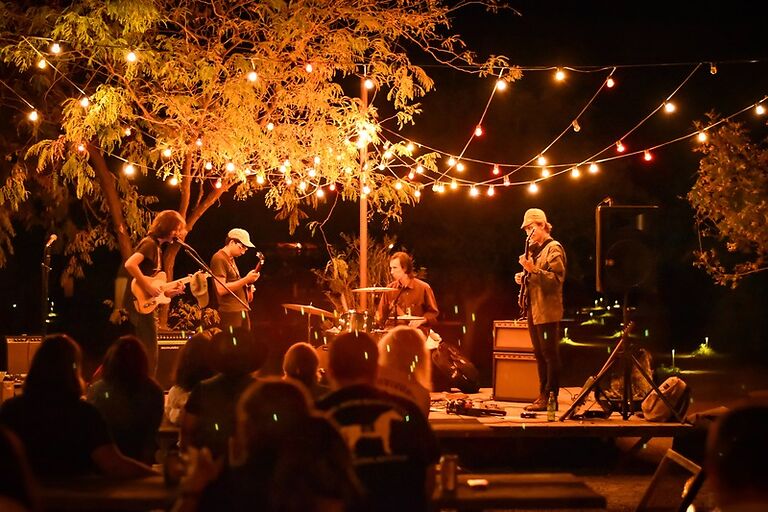
Getting a residency at a bar or restaurant can mean a reliable income every month, but they are tricky to come across and can often take time to get the bar or restruant to trust music will add value. I was successful in getting a fortnightly restaurant gig at a very well know restaurant, cocktail bar in the UK and this is how I managed to close the deal.
Here's my top five tips:
1. Research venues
You need to do your research and find suitable venues who you believe could benefit from live music. For example, up market restaurant? Solo jazz or classical piano. Cuban themed bar? Jazz quartet or trio. etc etc. Once you've found some suitable locations the real research starts. Do they already have live music? If so, is it run in house or by an agency. If it is, are you able to speak to the owner or manager, or the agency to see if you can get a slot. See if they a chain, usually resturants who are part of a chain have their budgets managed closely so additional expenses might not be welcomed. Some of the answers to these questions might not be obvious, so you may need to ask.
2. Prepare sample material and draft a business case for a residency
Once you've outlined a few suitable venues you need to prepare some sample recording, or even better some videos of you in action so they can see who you are, and what you can offer. It might also be an idea to explain to the owner, or manager what the benefits are to having live music.
The first question they'll ask is "how much is this going to cost me?". You need to calculate how much this is going to cost you and have a rough figure in mind before agreeing to anything. You can use our free gig quote cost calculator to help you calculate this figure. Remember, if you give a cost too high they're going to say no straight away, so let them decide what they would be willing to pay and negotiate from there. Just make sure the figure is affordable for both you and the bar otherwise the residency won't last long!
Common questions you'll be asked:
1. How much space do you need?
Why: Space = lost tables = lost money.
Answer: Give exact size, stress compact setup, say you’ll protect walkways/bar access.
2. What crowd do you bring?
Why: They want extra footfall and spend.
Answer: Give realistic numbers, age range, mention repeat fans/social following.
3. What do you need technically?
Why: To avoid noise, power, or setup issues.
Answer: Say you bring PA, minimal power, short soundcheck, used to sound limits.
4. Who’s promoting it?
Why: They don’t want to carry marketing alone.
Answer: Say you’ll push on socials, collaborate on posts.
5. What do you need on the night?
Why: To understand total cost to them.
Answer: Keep rider light (ask for nothing if possible), safe gear space, clear quick load-in.
6. How do we measure success?
Why: They need reason to continue residency.
Answer: Suggest trial period + measure footfall, bar spend, repeat bookings and whether people enjoyed the live music.
3. Find out who runs the bar or restaurant
Before you go in, find out who's in charge and if possible, arrange a meeting with them. If you can't get a meeting come back during the day and they should be there. There's absolutely no point pitching to the hourly paid bar staff, as lovely and friendly as they are, they probably can't make any decisions. You need to speak to someone who's in charge and can make these decisions. If you're pitching to a chain of restaurant the manager may need to approval from a regional manager. You may need to speak to them, but don't worry this is completely normal.
4. Offer a trial run
Offering a trial run is a really good way for the bar or restaurant to see you in action and see if you are suitable for their establishment. Although you can do this for free, if possible try and negotiate a small fee so you aren't being taken advantage of. If they agree, this is your time to shine! I recommend inviting your friends and family and try and do some small promotion to draw some hype and a crowd to the event.
You could always use the trial run as a mini gig showcase to present to potential clients who are interested in booking you?
5. Keep a good relationship
If you're successful in receiving the residency, get a contract outlined and keep a good relationship with your contact. Communication is key and always react to feedback. If you've been told you're too loud - turn down for the next gig and check with the staff volume is fine. A relationship is two ways so if you're not happy with something talk to your contact as soon as possible.
Final Tips
- Check your volume. You never want to be told to turn down.
- Alcohol policy, this ones up to you, but I recommend a no drinking on the gig.
- Never cancel. If you do need to dep the gig make sure the dep know exactly what is expected and inform the venue as soon as possible.
- Smile! Enjoy yourself, if you look like you're having a good time, it goes a long way, say high to staff and customers.
- Set up and set down quickly and quietly.
- Keep your socials active and show your followers where you're playing.
If you're interested in getting more gigs see our article on "how to get more gigs as a musician". In the guide we discuss the key things you need to make sure your band is doing to secure more gigs.